


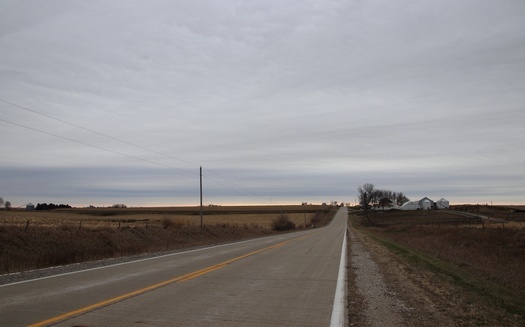

The farm crisis of the 1980s and subsequent manufacturing losses fueled a flight from rural communities in states such as Iowa. And groups calling for change say current political leaders aren’t tuning into the concerns raised by people still living in these areas. (Adobe Stock)
September 28, 2020
DES MOINES, Iowa — In the coming weeks, political candidates will fan out in rural America, promising voters that struggling communities will get federal help.
But in states such as Iowa, some say those pledges don’t result in real investment and that a new approach is needed.
Matt Hildreth, executive director for RuralOrganizing, argued practices such as agriculture bailouts often result in subsidizing large agricultural companies while squeezing out smaller farm operations.
That’s why the group said a national Office of Rural Prosperity is needed to focus on how federal appropriations are divvied up for rural areas and make sure they go to the right place.
“Right now, when you look at the federal government, rural programs are through USDA, they’re through HUD, they’re through all these different agencies,” Hildreth explained. “And there’s really no unified, central force that’s focused on keeping rural dollars rural.”
The group’s recent polling of more than 7,000 rural battleground voters found that only one in ten think USDA programs benefit small farms and towns. Defenders of these bailouts say they bring stability during uncertain market conditions for farmers who are trying to keep the nation’s food supply from running out.
John Norris, partner at Iowa’s State Public Policy Group, said no one wants to diminish the role farmers play in supporting their communities. But he said in the Hawkeye State, there are important structural issues that need more attention in rural areas.
“There’s still broadband pockets and lack of high-speed internet,” Norris said. “You’ve got rural schools that are underfunded and don’t have the course offerings that a lot of the other parts of the country do, you’ve got rural hospitals that are just hanging on.”
And Hildreth said investing in these areas could stop the bleeding when it comes to population loss in small towns.
“Too many people feel they have to leave to be successful,” Hildreth added. “And I think an Office of Rural Prosperity will ensure that those economic opportunities exist in small towns and rural communities.”
He points to a similar office that was created by state government in Kansas as a potential model that could work for the federal government. The group said Wisconsin’s creation of a Blue Ribbon Commission on Rural Prosperity is another good example.
