


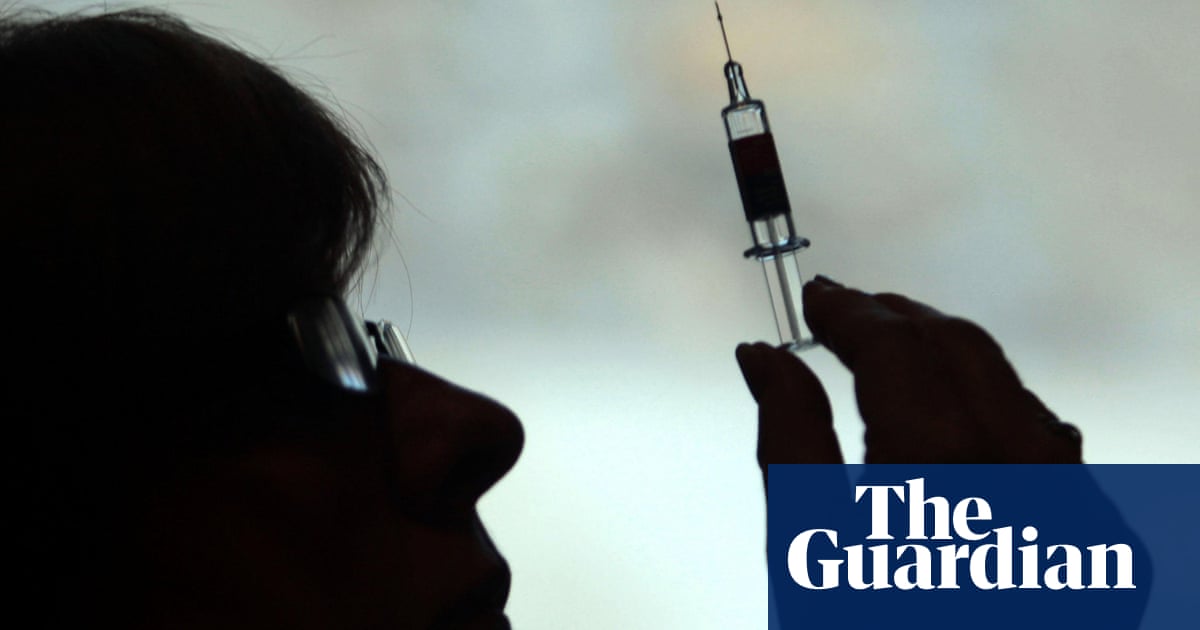
Healthy volunteers could be deliberately infected with coronavirus in the UK as part of the world’s first Covid-19 human challenge trials.
Government-funded studies, which it is believed will be announced next week, are hoped to begin in January at a quarantine facility in east London, the Financial Times has reported.
Researchers say the trials will play a vital role in helping to assess the effectiveness and narrow the field of potential vaccines likely to move into clinical testing in 2021.
During the trial, volunteers will be inoculated with an experimental vaccine, before receiving a “challenge” dose of Sars-Cov-2 – the virus that causes Covid-19 – under controlled conditions around a month or so later.
Around 2,000 potential volunteers are understood to have signed up for the UK challenge studies through US-based advocacy group 1Day Sooner, which campaigns for Covid-19 infection trials and has enlisted 37,000 people across the globe.
Challenge trials have long been used in vaccine development, including in the creation of the smallpox vaccine by Edward Jenner in 1796. More recently, they have been used by researchers to develop treatments and better understanding of the immune system response to ailments such as the common cold and gonorrhoea.
The FT reported that 1DaySooner would launch a campaign this week with a petition to parliament asking for public funding of a biocontainment facility with capacity to quarantine 100 to 200 participants.
The trial will then need to be approved by the UK Medicines and Healthcare products Regulatory Agency as well as an independent research ethics committee.
Healthy young adults – deemed to be at low risk from the effects of the virus – will be used in the trial, while antiviral drug remdesivir will be used to prevent any serious illness in participants.
Scientists will select and purify a strain of the virus that is genetically representative of that currently circulating in the population, and choose doses to infect volunteers without overloading their immune system, according to the FT.
Imperial College London is the project’s academic leader, while Queen Mary University of London’s hVivo, which was bought by Dublin-based pharmaceutical research organisation Open Orphan earlier this year, will run it.
Prof Peter Horby, who chairs the government’s New and Emerging Respiratory Virus Threats Advisory Group (Nervtag), said the trial had the potential to “advance science and get us to a better understanding of the disease”.
“There’s a number of benefits, not just the vaccine but also better understanding of immune responses to the virus,” he told BBC Radio 4’s Today programme.

