


Two Cornell research teams, studying crop viruses and insecticides’ physiological effects on insects, have received grants totaling nearly $900,000 from the U.S. Department of Agriculture’s National Institute of Food and Agriculture (NIFA).
The funding is intended to advance knowledge in both fundamental and applied sciences important to agriculture.
The projects:
- Michelle Heck, a research molecular biologist at the USDA Agricultural Research Service and adjunct associate professor of plant pathology in the School of Integrative Plant Sciences in the College of Agriculture and Life Sciences (CALS); and Joshua Chappie, an assistant professor in the Department of Molecular Medicine in the College of Veterinary Medicine, have received a three-year, $455,000 grant to investigate an innovative method to combat devastating Luteovirid crop viruses.
- Jeff Scott and Nicolas Buchon, professors of entomology in CALS, received a three-year, $424,000 NIFA grant to investigate the effects that insecticides have on insects at sublethal and lethal doses, in terms of the insect’s genes, proteins and biological pathways.
Plant viruses in the family Luteoviridae are spread by sap-sucking aphids, which transmit the virus into a plant’s vasculature as they feed, infecting and devastating many crop varieties; no adequate control strategies exist.
Using X-ray crystallography, Chappie’s lab determined the structure of the virus’ spike protein, which extends from the surface and binds to receptors in the aphid gut. The researchers will expand their preliminary studies showing that feeding aphids purified spike proteins blocks viral uptake and subsequent transmission to susceptible plants.
“Josh’s lab has solved the structures of numerous poleroviruses [a group of viruses in the Luteoviridae family] and they all have the same general structure,” said Heck, who’s also affiliated with the Boyce Thompson Institute, based at Cornell. “We think, because of that high level of conservation of the structure, that they are all working the same way.”
“If we can make one, we can probably make them for most of [these related viruses],” Chappie said. “And if they behave similarly, then it gives you a generalized strategy to deal with a major agricultural pathogen, but it also allows us to fine-tune it for each virus.”
The researchers are hopeful they can apply the new method to the cotton leaf dwarf virus, an emerging and devastating polerovirus.
Scott said their research into the genetic and biological effects of insecticides could lead to new target sites for the chemicals.
“Insecticides are the most widely used compounds that are intentionally introduced into the environment,” with some 550 million pounds used annually in the U.S., he said, noting that how these compounds poison insects is not well understood.
The study aims to characterize how genetic variation in a susceptible population of insects controls sensitivity to insecticides and identify the genes affected by the poisoning process.
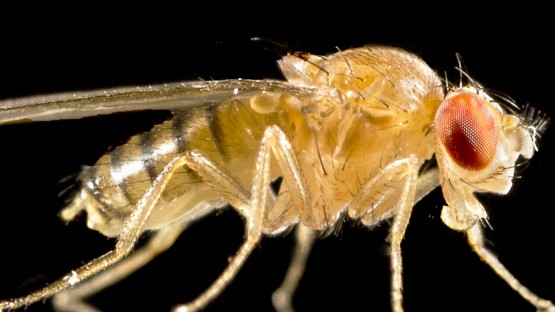
Scott and Buchon will make use of the Drosophila Genetic Reference Panel, which contains unique lines of drosophila (fruit flies) that together represent a range of variation within a population. The Scott and Buchon labs will test insecticides on these drosophila lines to see what genes are responsible for variation in the insects’ responses.
They will also apply sublethal doses of insecticides at specific times to see how the insects respond.
-75x75.jpg)
