


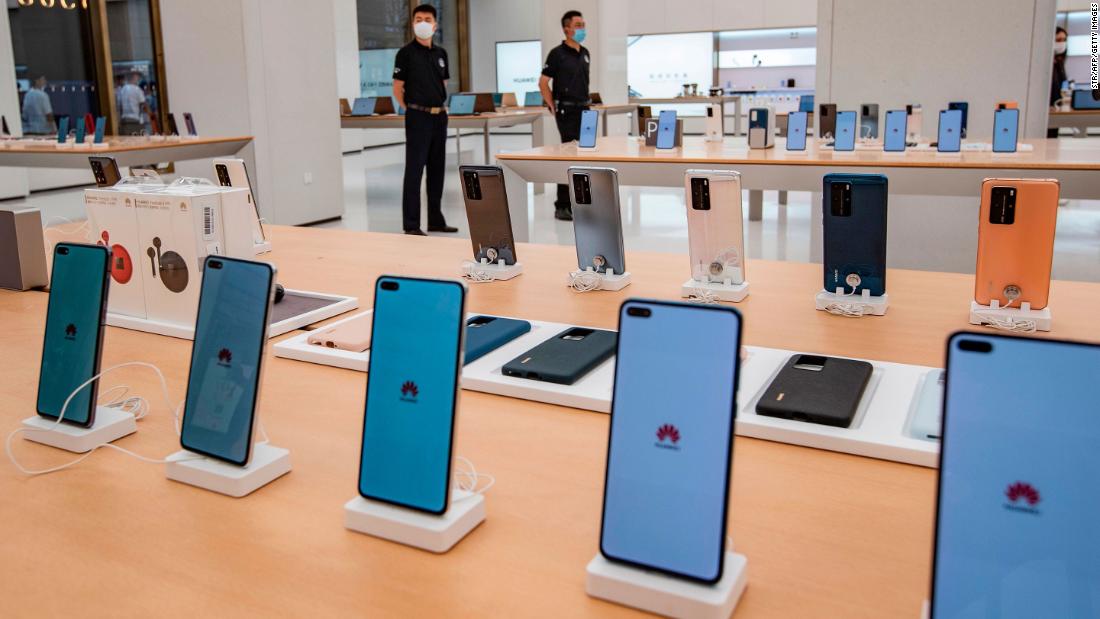
All that is now at risk after the latest US sanctions on the Chinese tech champion. Consumers around the world were already abandoning the brand because the phones no longer come with some popular US apps. Now, a blow to its hardware supply chain is putting its advantage in the Chinese market on shaky ground.
The company will lose its supply of super fast, advanced Kirin chipsets starting from next month, because they are made by contract manufacturers that use US technology, Huawei’s head of consumer business Richard Yu said at a conference last week.
Losing a selling point
Huawei should have enough Kirin chipsets to get through this year, said Nicole Peng, an analyst with market research firm Canalys. After that, the company will likely turn to MediaTek, another Taiwanese chipmaker. Will Wong, an analyst with IDC, said Huawei would still be able to buy that company’s “off-the-shelf” chipsets.
But using MediaTek’s standard chipsets will erode Huawei’s competitive advantages when it comes to hardware, the analysts said. Losing Kirin chipsets “will definitely affect the unique selling point” of Huawei’s smartphones, Peng said.
Kirin chips are specifically designed to power Huawei’s more expensive devices. They are faster and more advanced than MediaTek’s chipsets, and have better artificial intelligence, imaging and 5G capabilities, according to Peng. That’s why Huawei uses them in flagship phones such as its Mate and P models.
Being “unable to produce Kirin chips will create a large uncertainty to [Huawei], especially for their high-end phones,” Wong said. “Nevertheless, Huawei still has a strong national brand image in China, which is a great driver” for the company.

Home advantage
Those brisk sales in mainland China, along with rival Samsung’s slump, also helped Huawei overtake the South Korean company to become the world’s top smartphone seller.
Shops in China reopened earlier than other countries still grappling with the Covid-19 pandemic, helping to boost Huawei’s sales. Analysts say, though, that Huawei is likely to fall behind again as stores reopen and sales resume in other global markets.
With the company forced to rely on less powerful chips that many of its domestic competitors also use, it will likely lose its home advantage.
“These vendors will continue aggressively expanding, while Huawei is weakening next year in China,” Peng said.

