


After reviewing various film genres, such as westerns, musicals, war movies or suspense films, it is time to dedicate a special to the best comedies in film history, one of my favorite genres. I have decided to choose only one film per director among the top 10, to be able to put a greater variety and not only talk about the usual suspects, Chaplin, the Marx or Woody Allen, but in the end I have returned to add an annex with 30 titles More totally essential in which I have skipped that restriction.
The Apartment (1960)
In film history there are millions of bad movies, thousands of good movies, hundreds of outstanding movies, and a handful of perfect movies. ‘The apartment’ is one of the latter. Written by Billy Wilder and I. A. L. Diamond, and directed by the former, it was released a year after another film that could appear at the top, ‘With skirts and crazy’. If in the end I have stayed with ‘The apartment’ it is because it may be a little less fun, but it is more romantic, harder, more tender and more special. Jack Lemmon and Shirley McLaine give an interpretive recital from the moment they meet in the elevator until a game of Gin Rummy and a phrase (“Shut up and deal”) put the perfect finishing touch to the film. And, in the words of its author, nobody is perfect but there are movies that are.
City Lights (1931)
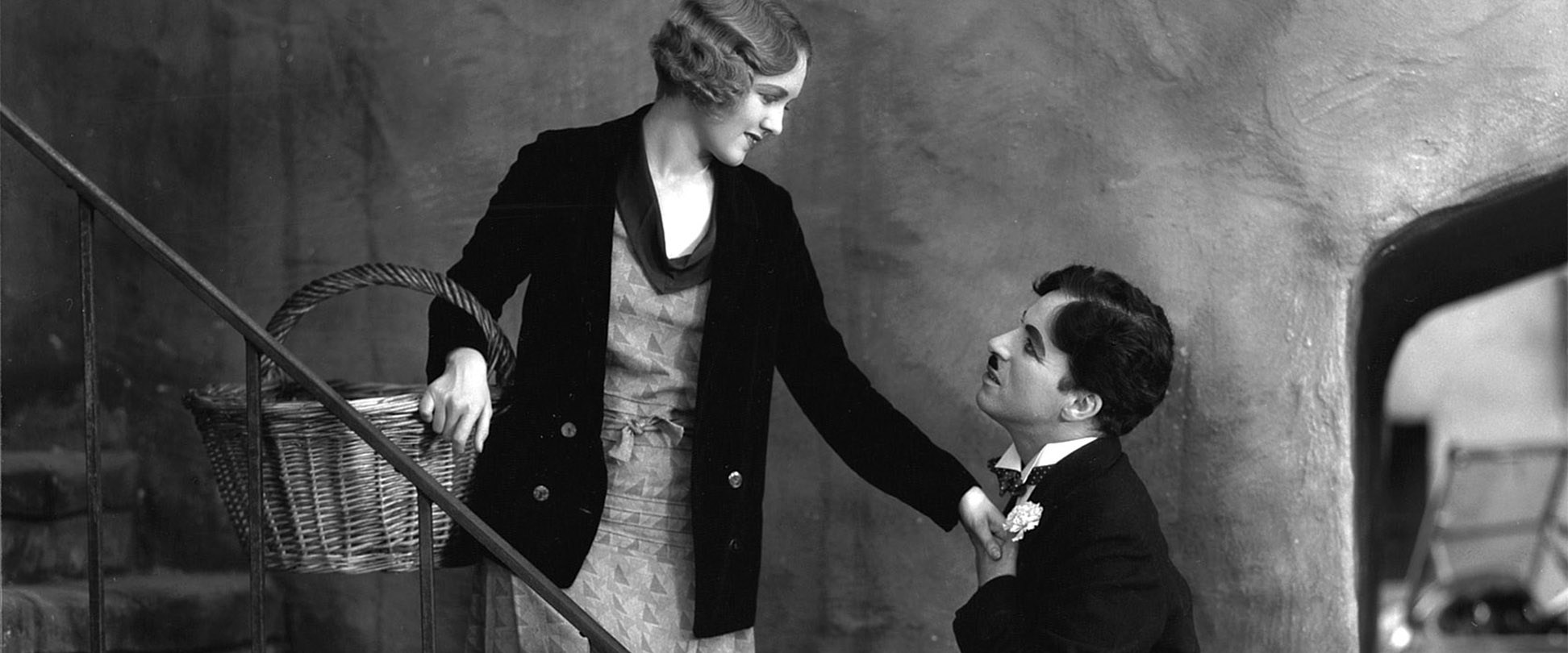
‘Luces de la ciudad’ was released in 1931, a date when silent films were dead and buried, Hollywood had converted to sound and many of the stars of that stage had seen their careers fade. But that didn’t stop the greatest of them all, Charles Chaplin, delivering one of the pinnacles of her career (and one of the best movies of all time) clinging to her old style, that style they understood all over the world needlessly of translation. ‘City Lights’ proved that Chaplin’s talent was universal, making what is possibly his best film, as well as the favorite of the director himself and other film giants such as Orson Welles, Stanley Kubrick or Woody Allen. No matter what it is 1931, 1961, 1991 or 2021, there is no one who does not laugh at the wonderful scene of the boxing match, nor anyone who is not thrilled with its ending, could have chosen any of his three great masterpieces, this one , ‘Modern Times, or’ The Great Dictator ‘, but I think’ City Lights’ is the film that best encapsulates its leitmotiv: “a film with a smile – and, perhaps, a tear”.
Red phone? We flew to Moscow (1964)
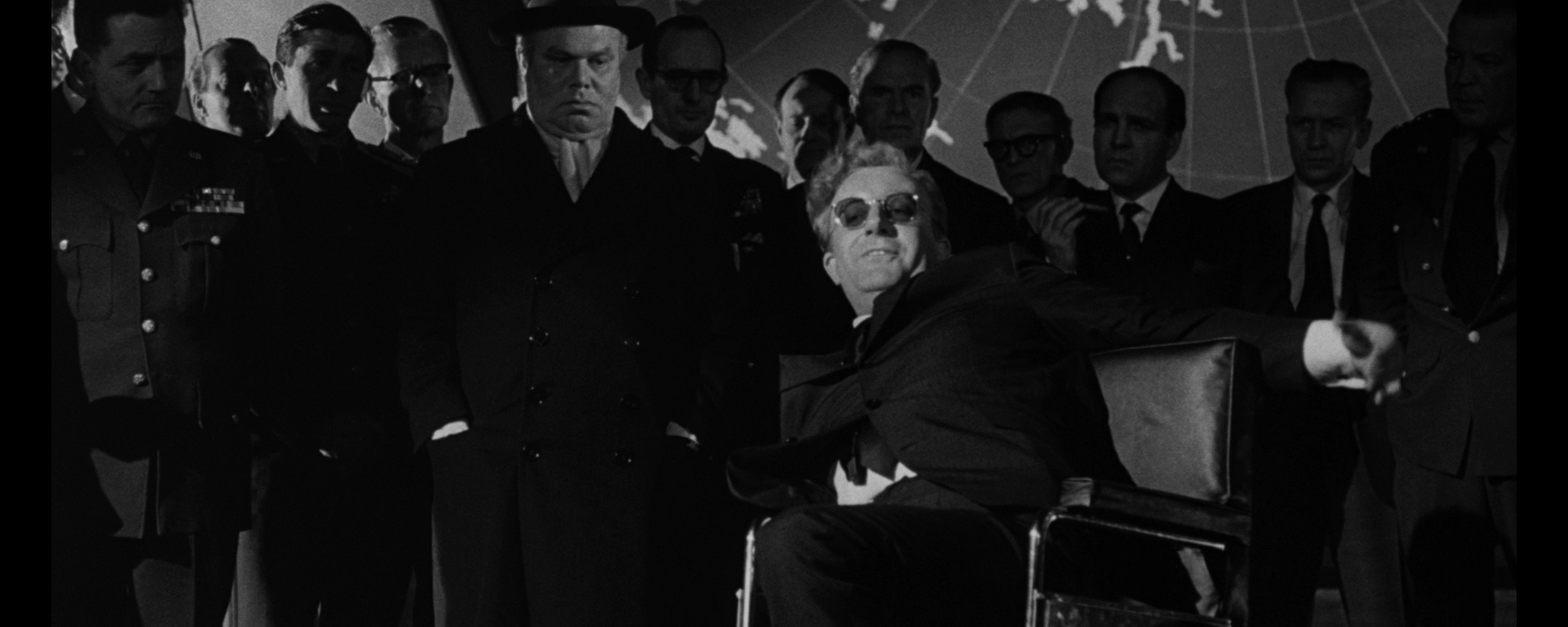
Maybe when you think of Stanley Kubrick the first thing that comes to mind is not comedy but ‘Red phone? We are flying to Moscow ‘(an outrageous option compared to the original’ Dr. Strangelove, or How I Learned to Stop Worrying and Love the Bomb ‘) is one of the best films of his filmography and one of the best films of all time. With a glorious Peter Sellers playing three different roles, including the President of the USA and Doctor Strangelove from the original title, Kubrick turns sour and delivers the ultimate black comedy. Released shortly after the Cuban missile crisis, Kubrick comes to tell us that human stupidity will lead us to our self-destruction and, when this happens, many will be delighted, riding on the back of the weapon that starts the wick (“Gentlemen! You can’t fight here! They’re in the War Room! “)
Goose soup (1933)
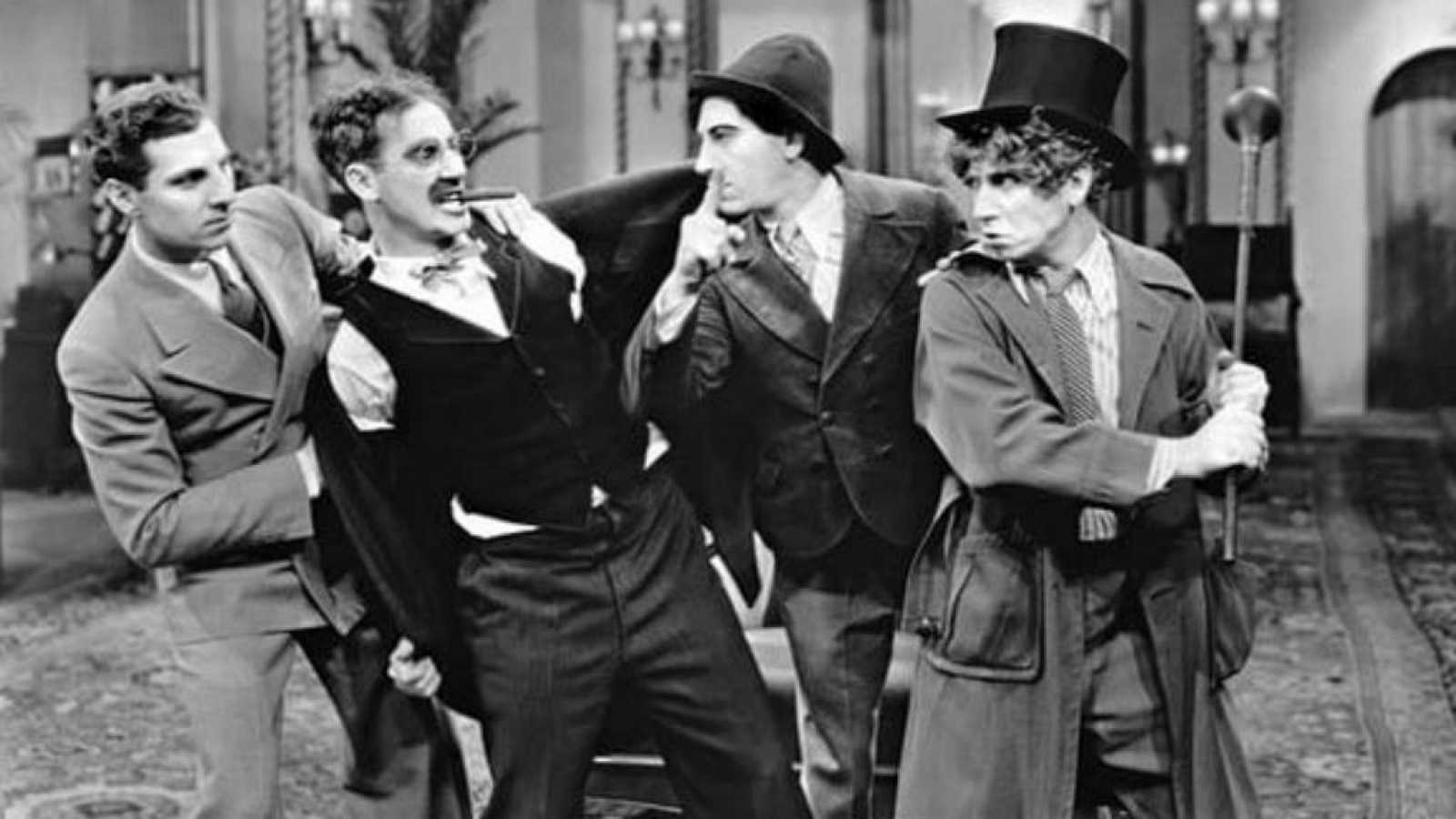
Groucho Marx is the funniest guy ever, but Harpo and Chico weren’t too shabby either. It is true that they were lucky that very ingenious guys wrote them wonderful dialogues but, if they have read something about Groucho himself, much of that humor came from himself. ‘Goose soup’ is the most anarchic film (in the best sense) in the history of cinema, both for the madness of its plot and scenes and for that libertarian humor that defined the brothers. Rufus T. Firefly is one of the best characters in film history, the president of Freedonia says things like: “I will not allow injustice or foul play, but if someone is caught practicing corruption without my receiving a commission, I will We will put against the wall … And we will give the order to shoot! ” or “You are a brave man, cross the lines, and remember that while you are out there risking your life, we will be in here thinking about how idiotic you are”, which make it clear what the Marxist position is before power.
Annie Hall (1977)
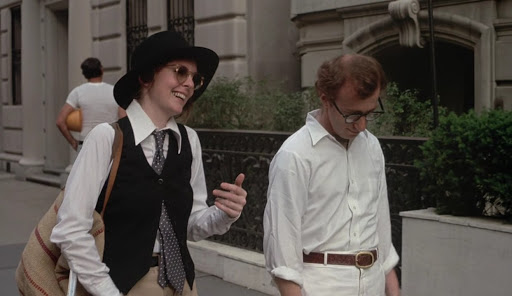
“Annie Hall” was the film that discovered Woody Allen as a filmmaker, as well as a comedian. It was this film that began what we could describe as a stage of maturity, bringing greater sophistication and personal complexity to his cinema. Furthermore, the film has a strong autobiographical element, which gives it much more emotional weight. ‘Annie Hall’ was performed shortly after the breakup between the director and his lead actress, Diane Keaton, who had been his muse from the start of his career. It is a film that perfectly combines the great themes that have always worried him, death (“Yes, you see, I am obsessed with death. It is a great subject for me and I have a very pessimistic view of life. If we are going to You should get to know me together. I believe that life is divided into the horrible and the miserable “), sex (” Don’t mess with masturbation. It’s making love with someone I love “), art (” One he is always trying to make things go perfect in art, because achieving it in life is really difficult “), philosophy (” When I was a student, I was kicked out of school for copying in the Metaphysics test. I looked into my partner’s soul of desk “) or love (” A relationship is like a shark; it has to be constantly advancing or it dies. And it seems to me that what we have here is a dead shark “). A philosophy that can be summed up in one sentence: “life is full of loneliness, misery, suffering, sadness, and yet it ends too quickly”.
To be or not to be (1942)
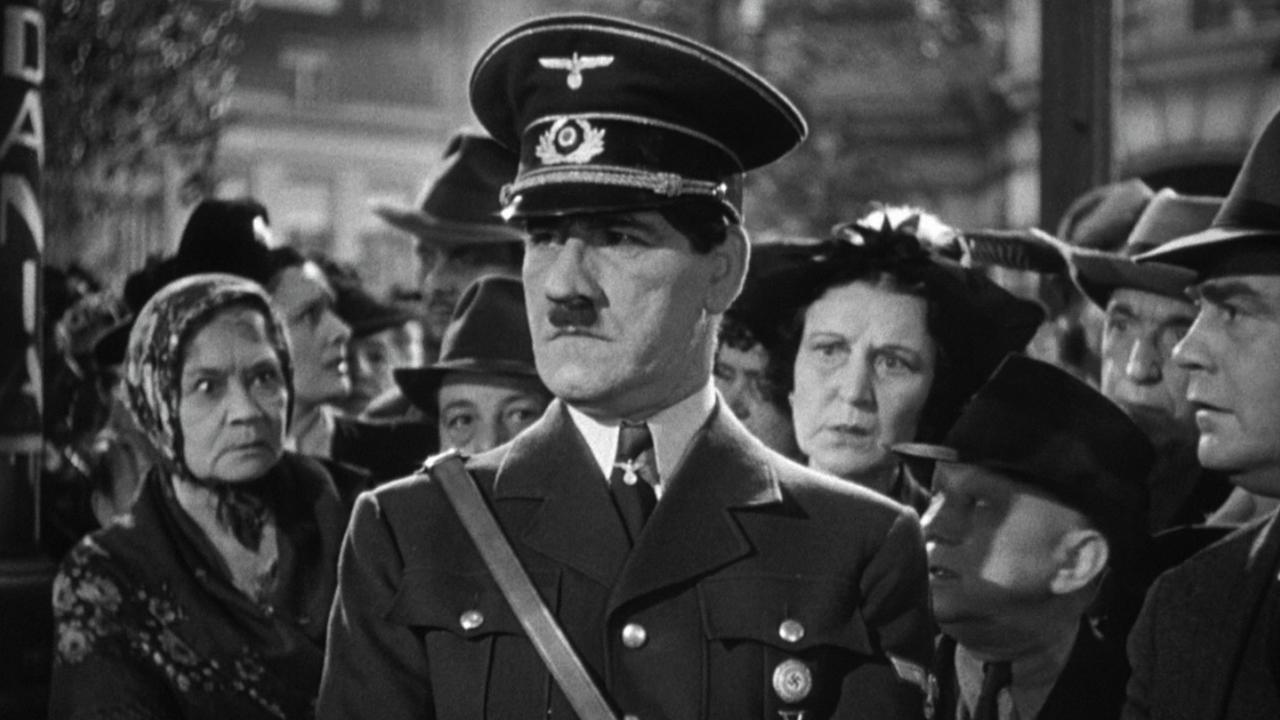
Ernst Lubitsch released ‘To be or not to be’ in 1942 when the United States had already entered World War II and it was known that neither this nor Hitler were subjects to be taken as a joke. There were many offended when the “king of comedy” decided to make a film about the invasion of Poland, a country that suffered the war like few others, but Lubitsch knew that if there is something that hurts the great dictatorships it is laughter and that satire It can be a formidable weapon. Furthermore, Lubitsch knew what he was talking about, not surprisingly, he was a Jew who had been born in Germany and had left for the United States some ten years before the Nazis came to power. So his poison darts against Nazi ideology are as effective as the most accurate documentary. The teacher delivers the best film of a career that was not to last much longer and that is that the director died in 1947. At his funeral Billy Wilder met William Wyler and said devastated “No more Lubitsch”, to which the director de ‘Ben-Hur’ replied: “And what is worse. No more Lubitsch films.”
Brian’s Life (1979)
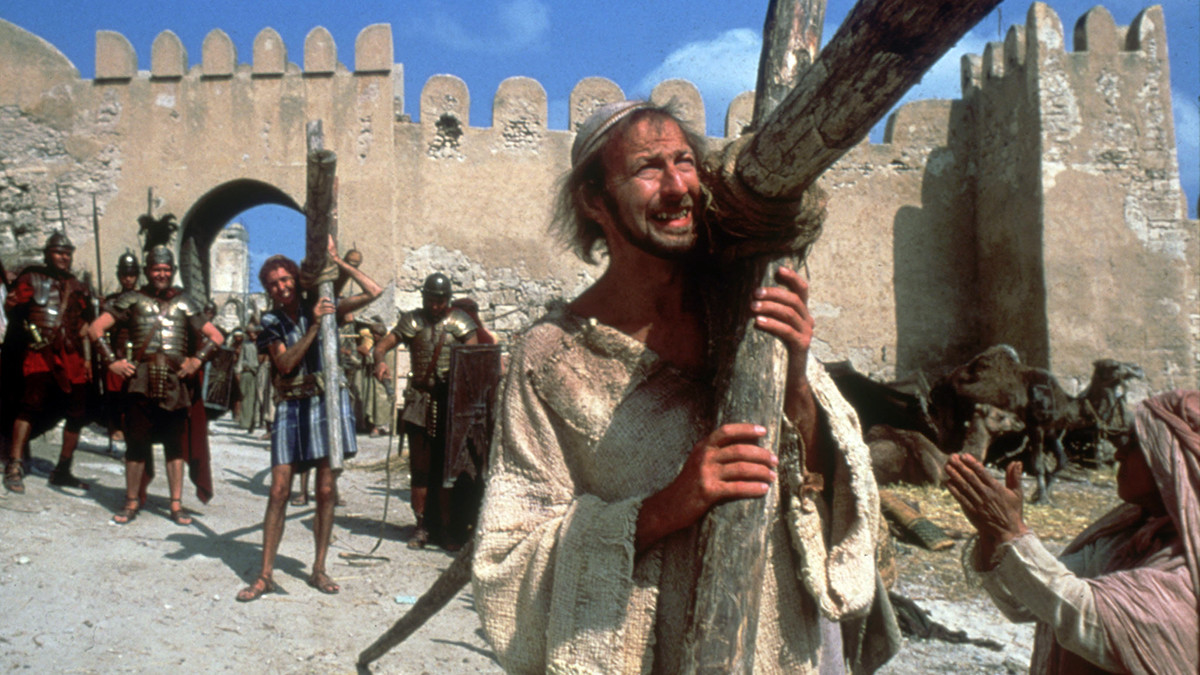
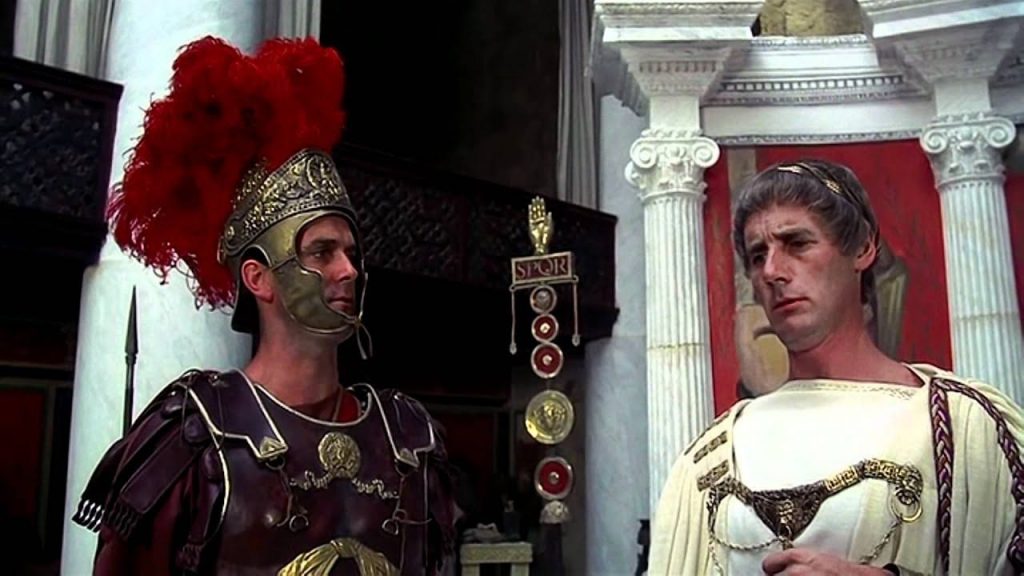
There are those who consider this film as sacrilegious but Brian emerged when the Monty Python realized that, in the words of Terry Jones, “Jesus was a legal type, good people and we couldn’t mess around with him just like that.” It was in this way that the first title, ‘Jesus Christ, longing for glory’ was discarded and ‘The Life of Brian’ appeared, where they decided to get rid of, to paraphrase another movie of his, “his crazy followers”. If the laughs per minute were measured in this list, this film would be in the first place and that is if the Python are something like the Beatles of humor, then ‘Brian’s life’ is his’ Sgt. Pepper’s’.
The Executioner (1963)
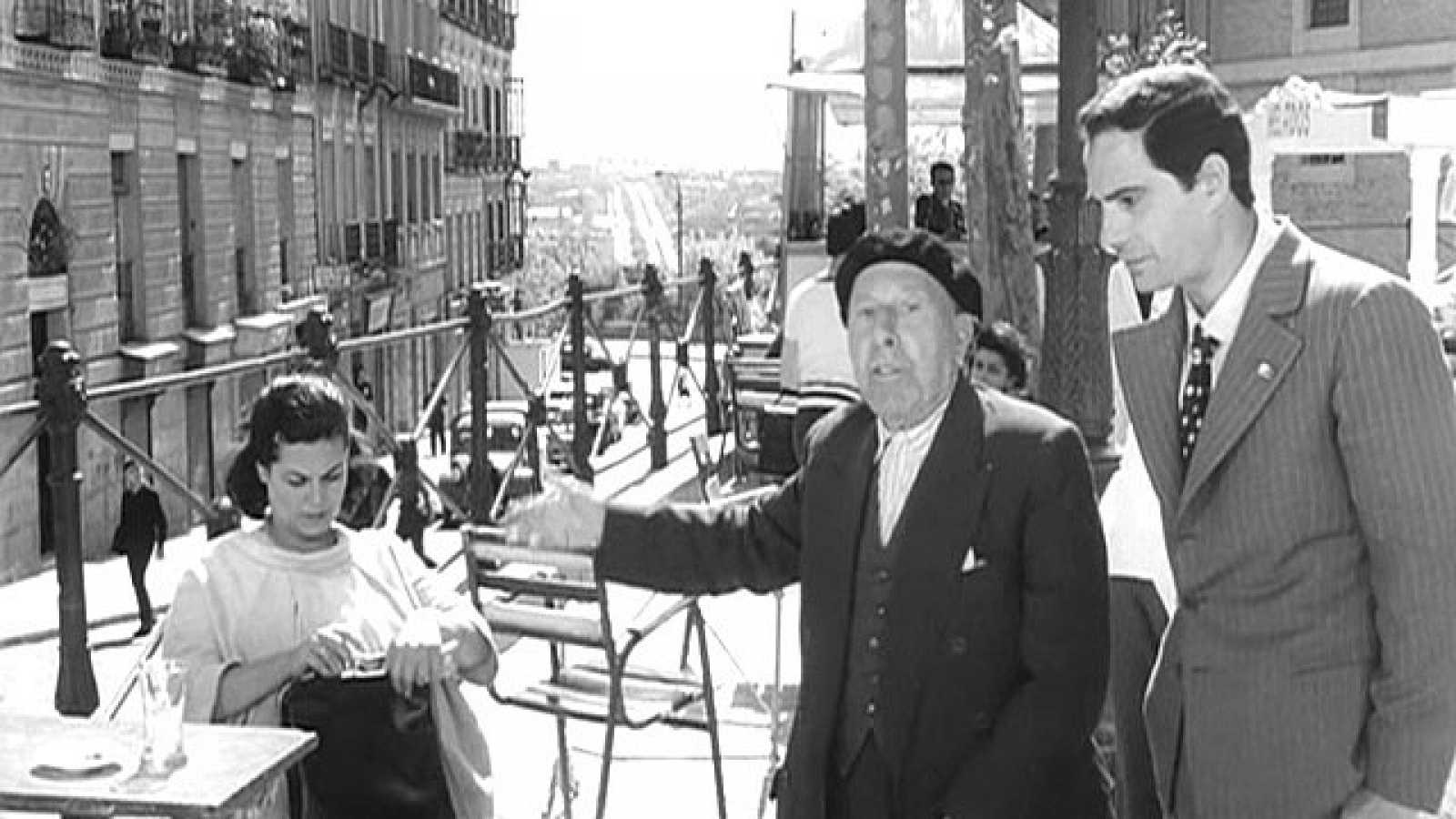
‘El verdugo’ was the first full screenplay written by that happy couple formed by Rafael Azcona and Luis García Berlanga, the result is one of the two or three best films in the history of Spanish cinema. The palette becomes even blacker than in ‘Plácido’ and the film duo that has best understood twentieth-century Spain does not leave a puppet with a head. The blackness of Franco’s Spain (the Spain also of Goya’s black paintings or of Valle-Inclán’s grotesque) finds its best chronicler in a comedy in which each laugh, and there are many, hurts. This was (is?) This country and Berlanga and Azcona reflected this to us. It was also the last collaboration with the great Pepe Isbert, in a film in which José Luis López Vázquez, Alfredo Landa, Manuel Alexandre or Agustín González also parade, accompanying the leading trio formed by Isbert himself, Nino Manfredi and Emma Penella. Possibly the best film of Berlanga’s career, one of the most important comedy directors in history, at the height of Wilder, Chaplin or Allen.
The beast of my girl (1938)
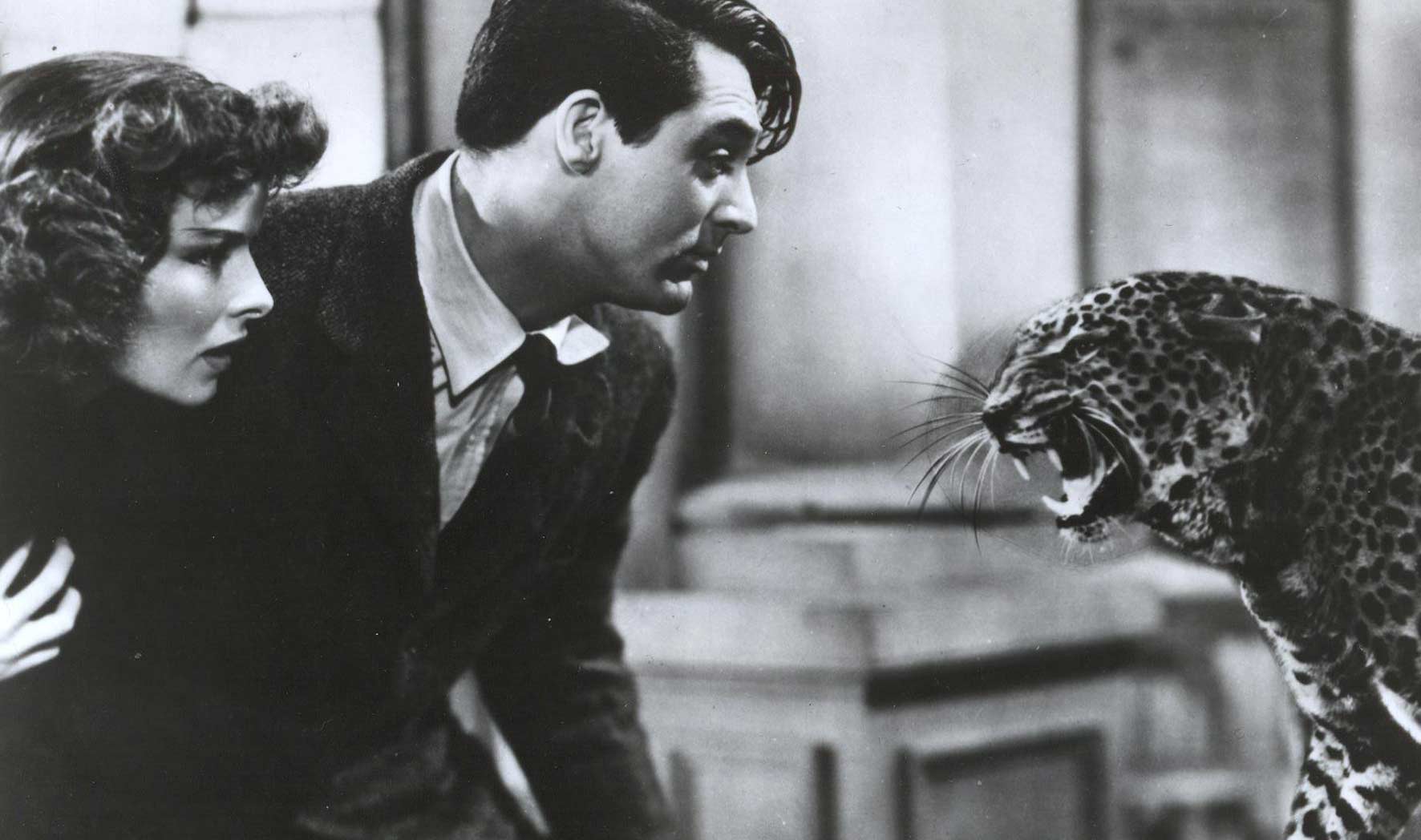
The screwball comedies of the 1930s and early 1940s demonstrate how advanced the United States was during the Franklin D. Roosevelt years and the step backward that the years of witch hunting would mean. These were movies in which men were challenged by a strong and independent type of woman in a battle of the sexes in which ingenious phrases were spit out at very high speeds. There are wonderful examples such as ‘It Happened One Night’, ‘At the Service of the Ladies’, ‘Philadelphia Stories’, ‘New Moon’ or the Preston Sturges movies, but perhaps the best of the lot is this wonder starring two of the most chemically talented actors in the film history, Katherine Hepburn and Cary Grant, who are led by Howard Hawks from one crazy situation to another (including leopards, dinosaurs, and torn dresses) with complete mastery.
The Great Lebowski (1998)
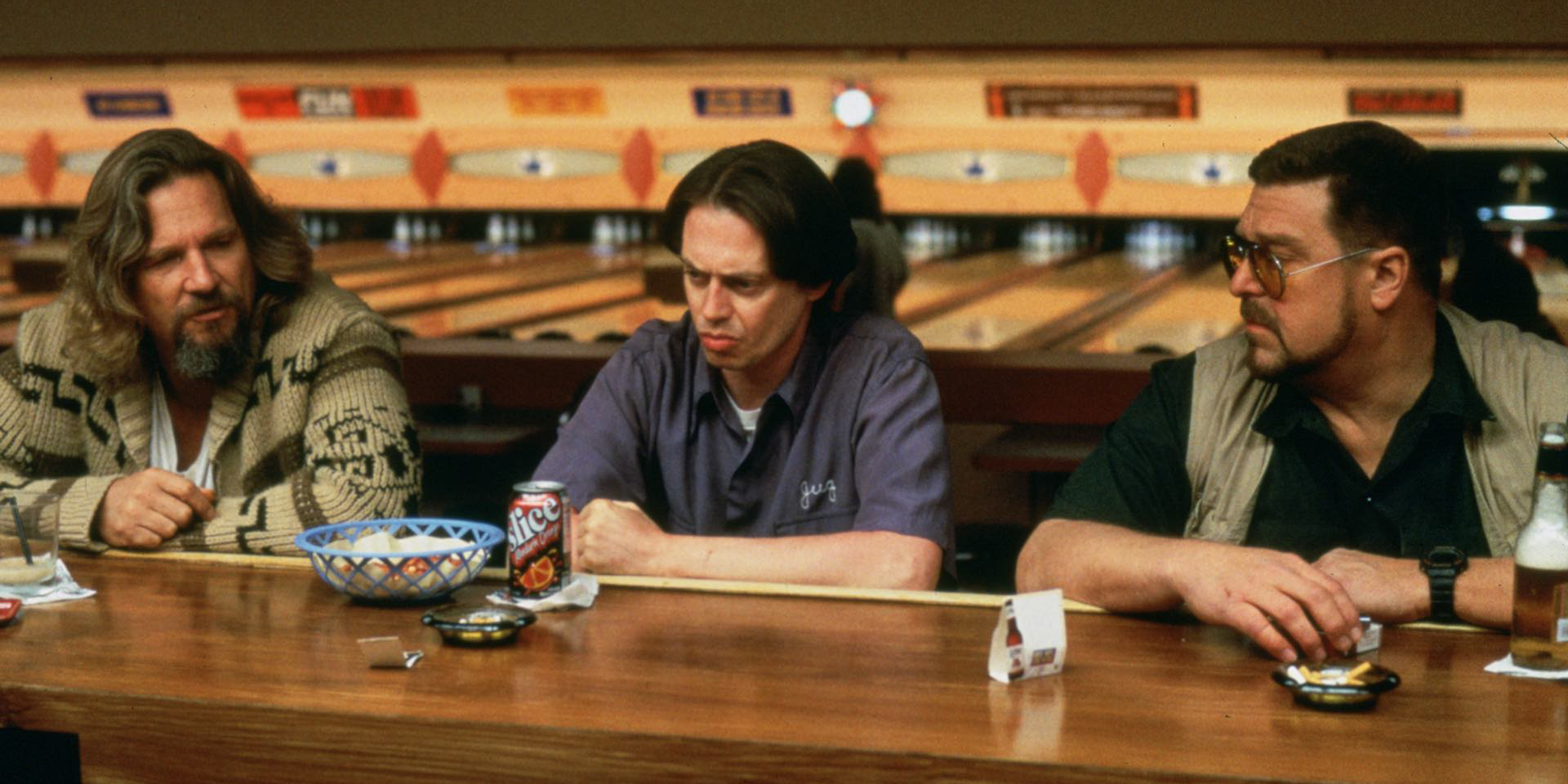
‘The great Lebowski’ can be seen as the reverse of ‘Fargo’, where comedy and film noises will once again become entangled with each other but this time opting much more for the former. We are facing one of the best comedies of the 90s, one that has become a cult film over the years but at first did not have a great response, something incomprehensible in the face of this waste of ingenuity, both in its script (“I do not I am Mr. Lebowski, you are Mr. Lebowski. I am El Nota, that is what you have to call me, do you understand? That is either His Notísima or Noti or El Notarino … “) as in his staging (that moment Jesús Quintana) . ‘Lebowski’ is essentially a pastiche of Raymond Chandler’s works where detective Phillipe Marlowe is replaced by El Nota, a former hippie, as lazy as he is funny. Jeff Bridges was claimed as one of the best actors of his generation and the Coen brothers delivered their final comedy and found their most iconic character. Also, “It’s good to know it’s out there. The Note. Taking it easy for all of us sinners.”
30 other essential titles:
The Modern Sherlock Holmes (1924)
The Gold Chimera (1924)
The General’s Machinist (1926)
The river hero (1928)
It happened one night (1934)
A night at the opera (1935)
Modern Times (1936)
Philadelphia Stories (1940)
New Moon (1940)
The great dictator (1940)
Rufufú (1958)
With skirts and crazy (1959)
Placid (1961)
A woman is a woman (1961)
Heist at three (1962)
The guateque (1968)
MASH (1970)
Hot Saddles (1974)
The Young Frankenstein (1974)
The Knights of the Square Table and Their Mad Followers (1975)
Boris Grushenko’s Last Night (1975)
Desmadre a la americana (1978)
Land as you can (1980)
Top Secret (1984)
This is Spinal Tap (1984)
Hannah and her sisters (1986)
Dawn, which is not little (1989)
Crimes and misdemeanors (1989)
Trapped in Time (1993)
Clerks (1994)
.

