


But what may have once been the loneliest item on the shelf is now in high demand.
“We’ve seen a huge increase in private label,” especially toilet paper, cleaning supplies and packaged foods, said Richard Galanti, chief financial officer at Costco.
Consumers were already trying more store brands, or private label products, before the crisis.
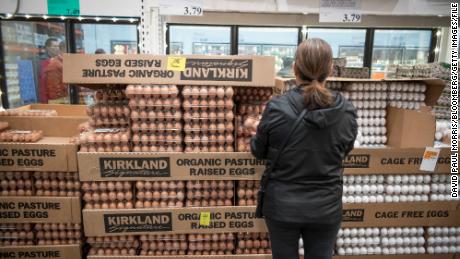
The motivation for retailers is that store-brand products are more profitable than name-brand ones.
“Retailers have gotten better at developing and marketing their private label brands, and major e-commerce players like Amazon have started introducing their own private labels,” said Dan Wald, senior partner in Boston Consulting Group’s consumer products sector.
Since the start of the pandemic in the US, private-brand sales grew 29%, outpacing regular-branded product sales, which grew by 24%, according to the most recent data from Nielsen.
During the crisis, around a quarter of consumers have tried private-label brands for the first time, according to a survey of more than 1,000 consumers in late March by research firm AlixPartners.
At least 30% of consumers who tried new private-label products during the crisis plan to stick with them, Alix found.
Why private-label?
Part of the reason store brands are doing well is that shoppers are finding shelves in stores cleaned out and products online out of stock from the crush of demand. This is pushing them to switch to stores’ private-label lines for the first time.
Also, retailers’ private-label products are often cheaper than name brands.
“We do see a continued focus on value during this time period, given economic factors such as joblessness, which leads more consumers to private-label products,” said Luke Rauch, vice president of commercial strategy at Walgreens.

In Phoenix, Kelly Jamison, 25, said she bought Fry grocery store’s private-label gummy bears during the pandemic instead of a name-brand version because they were cheaper.
She said she plans to keep buying Fry’s. “They taste way better.”
The trend is even playing out at specialty chains. Private-label sales at Natural Grocers by Vitamin Cottage, a 150-store organic grocery chain that primarily operates in the Mountain West, are up 62% during the second quarter of this year and are outpacing branded product sales by 40%.
Store brand items that were top sellers prior to the outbreak — products such as canned beans, eggs, bacon and almond butter — have consistently remained top sellers throughout the pandemic, Kemper Isely, Natural Grocer’s co-president, said in an email to CNN Business.
The retailer attributes the increase to customers cooking more and stocking up their pantries.
Good for stores, bad for big brands
The crisis is eroding customers’ loyalty to big brands and spurring them to give other items, including the cheaper private brands, a second look, Kroger CEO Rodney McMullen told analysts last month.
“If you look at toilet paper, people really don’t complain about what brand it is; all they’re looking for is toilet paper,” he said. There are several areas where “it’s more important to get the item versus the brand.”

This could pose a threat to traditional consumer product and food manufacturers, especially if consumers trade down to lower-priced store brands during a recession.
“There are certainly a subset of consumers for whom price becomes a significantly greater portion of their personal value equation. And that will, in some cases, result in trade down to private label,” Procter & Gamble chief financial officer Jon Moeller said in April. P&G owns brands such as Bounty, Tide and Charmin.
The changes also are likely to stick beyond the pandemic.
“We make many of our choices habitually,” said Ernest Baskin, assistant professor of food marketing at Saint Joseph’s University. “To the extent that shoppers are starting to form new habits in this environment, my sense is that they will likely continue those habits.”

