


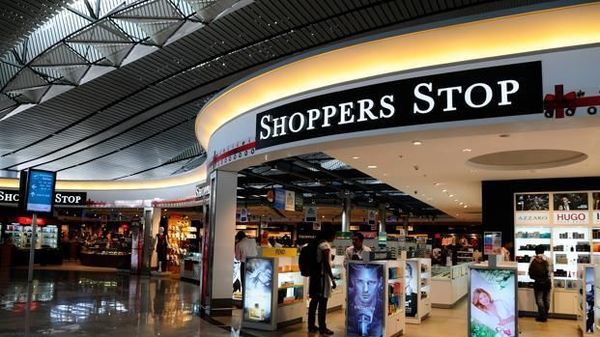
Even before the covid-19 crisis loomed, Indian retailers were having a tough time attracting consumers to spend more, due to the demand slump. The 21-day lockdown worsens things. Note that before the current restrictions were imposed, some states had already asked shopping malls to close to curb the spread of the coronavirus. This means footfalls were already under immense pressure.
Of course, not all retailers will be hurt equally. In the near term, discretionary products’ demand would be hit the most.
“We expect apparel players to moderate launches in this season and focus on reducing inventory obsolescence risk,” said an IIFL Securities Ltd report on 25 March. The broker expects companies to focus on cash conservation, as limited operations will weigh on cash flows.
Revenues of companies such as Trent Ltd, Shoppers Stop Ltd and Titan Co. Ltd would be more adversely impacted. Shares of these three firms have fallen 43%, 50.3% and 29%, respectively, from their highs in February.

Analysts say that with revenues getting hit during the lockdown, retailers would invoke the force majeure clause, which will offer some respite on the rental costs. Companies will also try and cut employee costs.
Retailers selling essential products are better placed during the lockdown. Avenue Supermarts Ltd, which runs the DMart chain of stores, is expected to benefit in the near term, as consumers rush to stock groceries.
But it’s not business as usual even for these retailers. Shares of Avenue Supermarts have declined by 17% from its 52-week high on 13 February compared to a 32% decline in the Nifty 50 index. Varun Singh, analyst at IDBI Capital Markets and Securities Ltd, said: “Avenue’s revenues will not be wiped out during the lockdown, unlike many other retailers. However, its general merchandise portfolio, accounting for about 28% of its overall portfolio, will be impacted”, limiting chances of a big improvement in profits.
“Post normalisation, discretionary categories such as jewellery, apparel and footwear could see some revival of revenue growth due to pent up consumer demand,” wrote analysts at ICICI Securities Ltd–Retail Equity Research in a report on 26 March. “However, given the discretionary nature, the entire revenue loss (during lockdown) may not be entirely recouped in financial year 2021.”
The broker has assumed store closure of nearly two months for its retail coverage companies and has pruned revenue growth estimates by 11-12% for FY21, factoring in lower same-store sales growth.
Going ahead, retailers may revisit their store addition plans. To be sure, demand recovery is going to be a slow process. With economic growth expected to slow substantially and uncertainty on employment, it is possible that consumers defer spending until things start looking up.

