


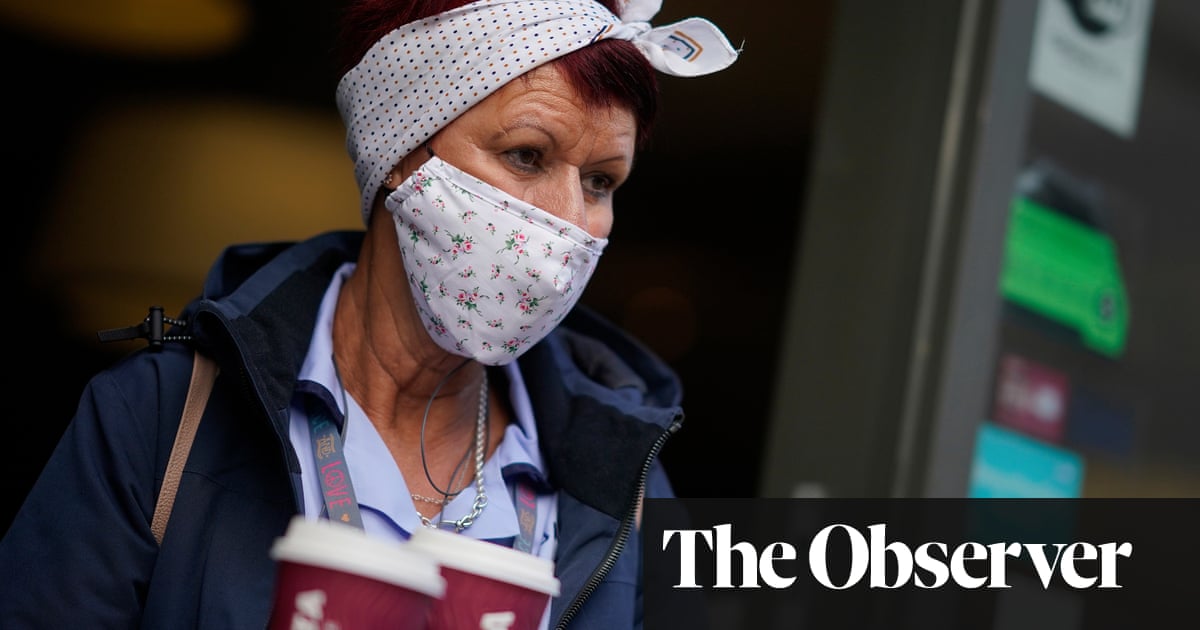
More than 17 million people are living in areas under tier 2 restrictions that have seen infection rates rise over the last three weeks, new research has revealed amid growing concerns that councils are struggling to help people with the costs of self-isolation.
With the government due to review the Covid-19 measures across England this week, an assessment of official data found that more than half of councils in which tier 2 restrictions are in place – or “high alert” areas – have seen infection rates rise since the last week of November. The areas cover some 17.5 million people.
The research, carried out by Labour, found that 100 local authorities have seen an increase in cases since 24 November, compared with 87 that have seen a decrease. It has raised concerns that more areas could face the most restrictive tier 3 measures from this week. London is in danger of entering tier 3, with some boroughs suffering from the highest rates of the disease in England.
Under tier 2, hospitality venues are allowed to stay open until 11pm, though only those that serve substantial meals. Social mixing outside of households or support bubbles is not allowed indoors, while the rule of six applies outdoors. In tier 3 areas, hospitality venues will have to close, except for delivery and takeaway service. Up to six people can meet outdoors in some public places, but not private gardens.
Several councils also say that current schemes designed to give people financial help to self-isolate are too narrowly drawn – while many are also warning that they will run out of funding for the scheme well before it is closed at the end of January. Of the 38 councils that have provided data on the self-isolation grant schemes, 16 said they will run out of funds before the end of January. They also said many people were being turned away because the schemes are too restrictive, requiring proof of financial hardship.
Knowsley council said 97 people had been rejected from their discretionary scheme and 296 from their mandatory scheme. Rotherham received £82,000 for the discretionary payments, and had so far paid out well over half, while it was only paying out to one in five applications to the discretionary fund. Data from Yorkshire and the Humber shows that 60% of applications to both the main and discretionary payment schemes have been rejected or assessed as ineligible for the payment.
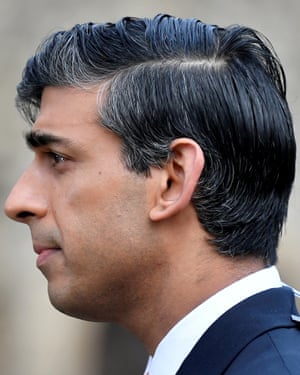
Meanwhile, the chancellor Rishi Sunak is already under pressure from business to announce a further extension to the furlough scheme until the end of June amid the continuing economic fallout from coronavirus restrictions. The Chartered Institute of Personnel and Development has warned Sunak that the scheme needs to extend from March to the end of June due to the “very uncertain backdrop through the first half of the year”.
Keir Starmer, along with Labour local mayors including Manchester’s Andy Burnham, London’s Sadiq Khan and Liverpool’s metro mayor Steve Rotheram, have this weekend written to the prime minister, repeating their demands for a clearer plan for areas to work their way out of tough restrictions and a more comprehensive package to ensure people self-isolate. “We have supported the government’s decision to impose two national lockdowns and we recognise the need for measures to continue to protect our communities,” they write. “But the government has plunged vast swathes of the country into tough restrictions without enough support or a plan to get them out.
“We need to put local people back in the driving seat, provide better economic support for businesses, give people the help they need to self-isolate and finally fix the disastrous test and trace system.”
Steve Reed, the shadow communities secretary, said: “The government has once again lost control of the virus because of its incompetence. Millions of people living under tier 2 restrictions are seeing numbers of infections rise in part because of the disastrous test and trace system and inadequate support for individuals to self-isolate.”

