


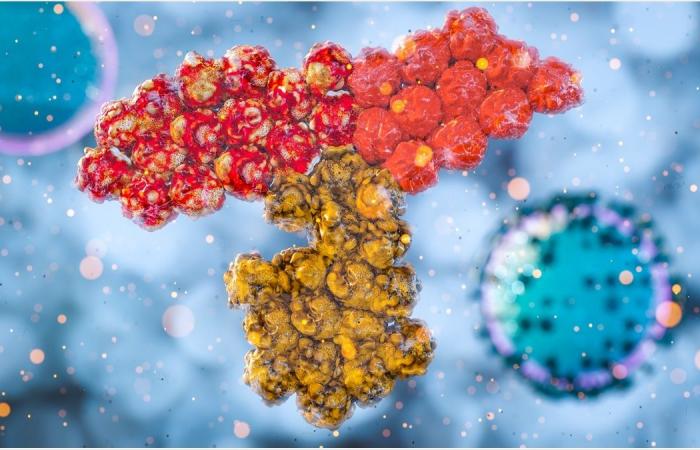
The longitudinal profiling of the humoral response to SARS-CoV-2 in hospital patients indicated that this “immunological imprint” could determine the antibody profiles in COVID-19 due to an earlier infection with seasonal human beta coronaviruses.
The team from the Icahn School of Medicine at Mount Sinai in New York; The University of Barcelona and the Carlos III Health Institute in Madrid said:
“Our observation has important implications for the development of COVID-19 vaccines, and the possible interactions with pre-existing immunity should be considered as we move towards an effective vaccine to ultimately control the ongoing pandemic.”
A pre-print version of the paper is available on the server medRxiv *while the article is being peer reviewed.
People are susceptible to six coronaviruses other than SARS-CoV-2
SARS-CoV-2 belongs to a large family of viruses – called Coronavirinae – which infect both mammals and birds. People are susceptible to six other coronaviruses that typically cause respiratory illness, albeit to varying degrees.
For example, SARS-CoV-1 and the Middle East Respiratory Syndrome Coronavirus (MERS-CoV) are highly pathogenic coronaviruses that have caused dangerous outbreaks in humans over the past two decades. The seasonal coronaviruses OC43, HKU1, 223E and NL63, on the other hand, usually only cause mild to moderate diseases of the upper respiratory tract.
The role of viral membrane proteins
Previous studies have shown that a major target of antibody responses to coronavirus infection is a structure on the viral membrane called the spike protein that mediates binding and fusion to the human host cell receptor ACE2. In addition, antibodies targeting the receptor binding domain (RBD) of this spike protein have been shown to neutralize the virus.
The antibodies against the spike RBD are highly specific and generally do not show any cross-reactivity between the various seasonal coronaviruses.
However, a more cross-reactive structure on the virus surface called nucleoprotein (NP) has been shown to induce antibodies in COVID-19 patients, although antibodies to NP do not neutralize SARS-CoV-2 in tissue cultures.
Although some studies have shown cell-mediated serum cross-reactivity between epitopes of SARS-CoV-2 and seasonal human coronaviruses, it remains unclear whether prior exposure to these other coronaviruses affects the immune response after exposure to a new but closely related antigen.
Study of the effects of the immunological print
This phenomenon, known as “immunological imprinting”, causes the immune system to recall pre-existing memory responses instead of inducing them again Reply.
“This has been well studied for viruses like influenza and is a fundamental part of vaccine development,” says Adolfo Garcia-Sastre (Icahn Medical Faculty on Mount Sinai) and colleagues.
To investigate whether immunological imprints can influence the immune response to COVID-19, the team examined the early humoral immune response to SARS-CoV-2 among a longitudinal cohort of hospitalized COVID-19 patients and also quantified the antibody levels against the seasonal coronavirus OC43 , HKU1 and 223E.
The patients (mean age 65 years) were recruited at the Bellvitge University Hospital during the first wave of SARS-CoV-2 in Barcelona from March 26thth until May 28thth, 2020.
All patients have a strong re-amplification of the antibodies against OC43 and HKU1
All patients developed detectable levels of antibodies to SARS-CoV-2 spike and NP, with levels peaking seven days after recruitment.
The patients showed a strong re-amplification of antibodies against conserved epitopes of the OC43 and HKU1 spike proteins, but not against the variable regions of these viruses or 223E.
However, a simple linear regression analysis identified a negative correlation between the increase in antibody memory against human coronaviruses and the induction of the antibodies immunoglobulin G (IgG) and IgM against the spike protein of SARS-CoV-2.
“Our results provide a dynamic characterization of the antibody response to SARS-CoV-2 in COVID-19 patients and provide evidence of immune imprinting in these patients,” write Garcia-Sastre and colleagues.
What are the effects of the study?
The researchers say the results show that the antibody response to SARS-CoV-2 infection, and possibly vaccination, can be influenced by imprinting the B-cell compartment as a result of previous exposure to seasonal human coronaviruses.
“It will be important to investigate the possible functional consequences of this imprint for the induction of protective immune responses after SARS-CoV-2 infection and vaccination,” the team concludes.
* Important NOTE
medRxiv publishes preliminary scientific reports that are not peer-reviewed and should therefore not be considered conclusive, guide clinical practice / health-related behavior, or are treated as established information.
These were the details of the news “Immunological imprinting” could influence the antibody response to COVID-19 for this day. We hope that we have succeeded by giving you the full details and information. To follow all our news, you can subscribe to the alerts system or to one of our different systems to provide you with all that is new.
It is also worth noting that the original news has been published and is available at de24.news and the editorial team at AlKhaleej Today has confirmed it and it has been modified, and it may have been completely transferred or quoted from it and you can read and follow this news from its main source.

