


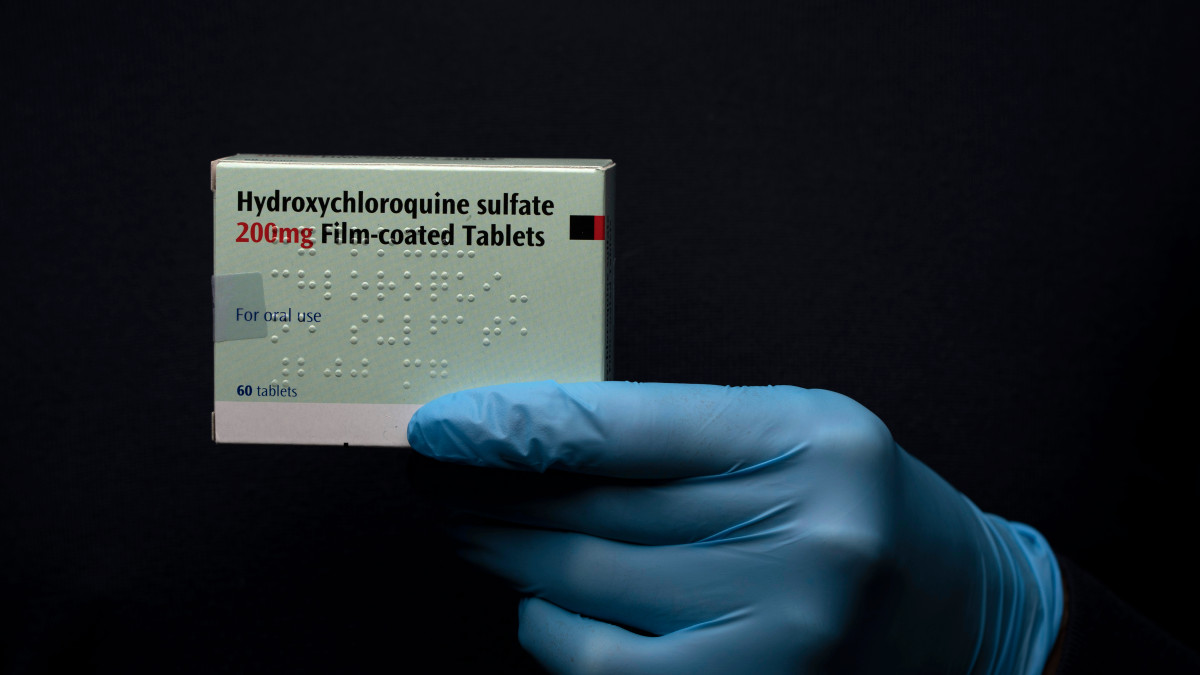
While Americans everywhere are worried about their health, jobs, family, and friends during the coronavirus pandemic, patients with lupus and rheumatoid arthritis (RA) have the added uncertainty of their access to a medication crucial to fighting their debilitating disease.
Some of those patients may have to cross the border to Baja California — where they risk exposure to COVID-19 and added expense to buy the drug they need.
In the days that followed President Donald Trump’s first mention of hydroxychloroquine — calling it a possible “game-changer” in the fight against coronavirus— lupus and rheumatoid arthritis patients received notices from their healthcare providers and pharmacies that they will no longer get that medication, due to anticipated short supplies.
The Lupus Foundation of America estimates more than 1.5 million Americans suffer from the autoimmune disorder. An additional 1.3 million Americans suffer from RA. Hydroxychloroquine helps control their painful joint inflammation and skin rashes, and also reduces pain and swelling.
President Trump said in a March 19 news conference that hydroxychloroquine could be used to treat those who test positive for COVID-19. The President also claimed the Food and Drug Administration has approved it for COVID-19 treatment, a claim the FDA denied. (Ten days later, the agency authorized emergency use of hydroxychloroquine for coronavirus “in-patient” treatment.)
On Sunday, President Trump said the U.S. has stockpiled 29 million doses of the medication. (It’s still unknown how the government acquired so much hydroxychloroquine.)
While some healthcare providers and pharmacies have stopped refilling prescriptions for lupus and RA patients, California’s Board of Pharmacy told NBC 7 Investigates no order was given to providers to limit supplies of the drug, and that lupus and RA patients should file a complaint with the board if they feel they were “improperly denied” a prescription refill.
But even as drug makers promise to produce more hydroxychloroquine, patients are still worried their medication won’t be available when they need it most.
“It’s literally survival of the fittest right now, and I’m not very fit.”
Margie Araujo, 34, has been living with lupus for ten years. The pain and frequent hospital stays caused her to lose her job as a cosmetologist here in San Diego. At the age of 30, she had to file for disability.
Araujo says life got better when she first started taking Plaquenil, a brand-name for hydroxychloroquine.
“Plaquenil has helped my daily chronic pain so I don’t have as much joint inflammation,” she told NBC 7 by video conference.
With two pills a day, Araujo says the pain improved from “unbearable” to manageable. “I was so swollen before, to where my jewelry wouldn’t even fit,” she said. “But now I can wear my wedding ring.

When the President first touted that the medication she relies on can help Americans fight the virus, Araujo was immediately worried.
“I knew people would start to hoard it,” she said. “I was scared. I was genuinely scared for my life and what would happen to me if my medication ran out.”
Days after President Trump mentioned hydroxychloroquine, Araujo’s fears came true. She got a letter from her healthcare provider, Kaiser Permanente, informing her of a “temporary freeze” on refills for her Plaquenil (hydroxychloroquine) prescription, due to a “world supply shortage” of the drug. Kaiser told her it was searching for a different medication for lupus and rheumatoid arthritis patients.
(A different version of Kaiser’s letter sent to lupus patients ended by thanking them for their “sacrifice,” according to BuzzFeed.)
“I was very upset,” Araujo says. “I wasn’t asked if I wanted to make the sacrifice. I was told, ‘Your refills are stopping.’ Nobody asked me if that’s OK.”
Araujo told NBC 7 Investigates that she has tried other medications, but they all made her feel weak. She said Plaquenil is without a doubt the most effective drug for her lupus.
“This is the worst time to have an autoimmune disorder, during a world pandemic,” Araujo added. “It’s literally survival of the fittest. And I’m not very fit.”
In a statement to NBC 7 Investigates, Amarylis Gutierrez, senior Vice President and Chief Pharmacy Officer for Kaiser Permanente says there is a global shortage of hydroxychloroquine and that the provider has taken steps to ensure it has an adequate supply of the drug for all patients.
“Our patients who have been prescribed these medications for non-COVID-19 treatments are talking with their physicians to ensure the appropriate continued use of these medications, or considering alternatives when clinically appropriate,” Gutierrez writes. “Our approach to ensuring our patients have access to these scarce medicines fully complies with the California Board of Pharmacy regulations.”
“If we don’t take steps to mitigate the shortage, we all will face the real possibility of running out of these critical drugs.”
To read Kaiser Permanente’s full statement, click here.
Meanwhile, Araujo cut her daily dose in half to extend her treatment. And if she can’t get refills here in the U.S., Araujo has a plan.
“I will have to go to Mexicali or Tijuana to try and source out this Plaquenil. I’m sure the prescription will be hundreds of dollars, but that’s my only choice, at this point.
“That’s the frustrating part because it’s not even proven to work yet on coronavirus patients,” Araujo said. “But for thousands of patients like me, lupus patients and rheumatoid arthritis patients, where it is working and they’re in remission, you’re taking it away from them. And that’s frustrating.”

Stockpiling Fears
Though the FDA has authorized hydroxychloroquine for emergency use on COVID-19, clinical studies have yielded mixed results. A French study did find multiple benefits from treating COVID-19 patients with Plaquenil, but that research has deeply divided the medical profession, and some experts are skeptical.
Dr. Anthony Fauci, the President’s top infectious disease advisor, has warned there is only “anecdotal evidence” that hydroxychloroquine can work on COVID-19 patients.
Yet, the President is unbowed by those caveats. In his Saturday news conference, Mr. Trump referred to a study he said found some lupus patients can better fight the coronavirus, most likely because they use hydroxychloroquine.
But the Lupus Foundation of America has stated the opposite, warning that lupus patients, in fact, have a “higher risk” of serious complications from COVID-19, due to their weakened immune system.
Still, the increased demand for hydroxychloroquine has prompted some pharmacists to warn that some doctors are “stockpiling” the drug.
One Facebook group dedicated to pharmacists includes a discussion about doctors writing extra prescriptions for themselves and family members.
“What do we do now that all doctors have caught on and (are claiming) that the hydroxychloroquine is for RA?” one person wrote. “I’m so disappointed by how unethical this is.”
Some states have responded with guidelines and emergency restrictions on dispensing the medication to help ensure a continued supply for lupus and rheumatoid arthritis patients.
But California has not issued any similar guidelines or restrictions, according to an emailed statement from the state Board of Pharmacy, in response to questions from NBC 7 Investigates.
“Patients who believe they have been improperly denied (prescription) refills should file a complaint with the Board,” said spokesperson Bob Davila.
To learn more about filing a complaint with the state of California, click here.
By email, Davila said the state expects healthcare providers and pharmacies to “follow the law, standard of care, and professional codes of ethics in serving their patients and public health. The Board encourages licensees to work with patients to help them obtain prescriptions for legitimate medical needs.”
Araujo says she hopes there will be a solution to help address everyone who needs the medication, not a select group.
“How is one life more valuable than the others?” Araujo says while recognizing there are more people out there who may need the drug. “You know we’re all in this together. This is a world pandemic. And this is the time for all of us to come together. And if my medication needs to stop for the moment to save others’ lives, then I’m willing to take that risk.”

